🎉 Our Chrome Extension is here! Get live market prices right in your browser.Install Now
US auto giants just told Trump: block Chinese cars or risk domestic collapse. The timing, ahead of Xi's visit, is no accident.
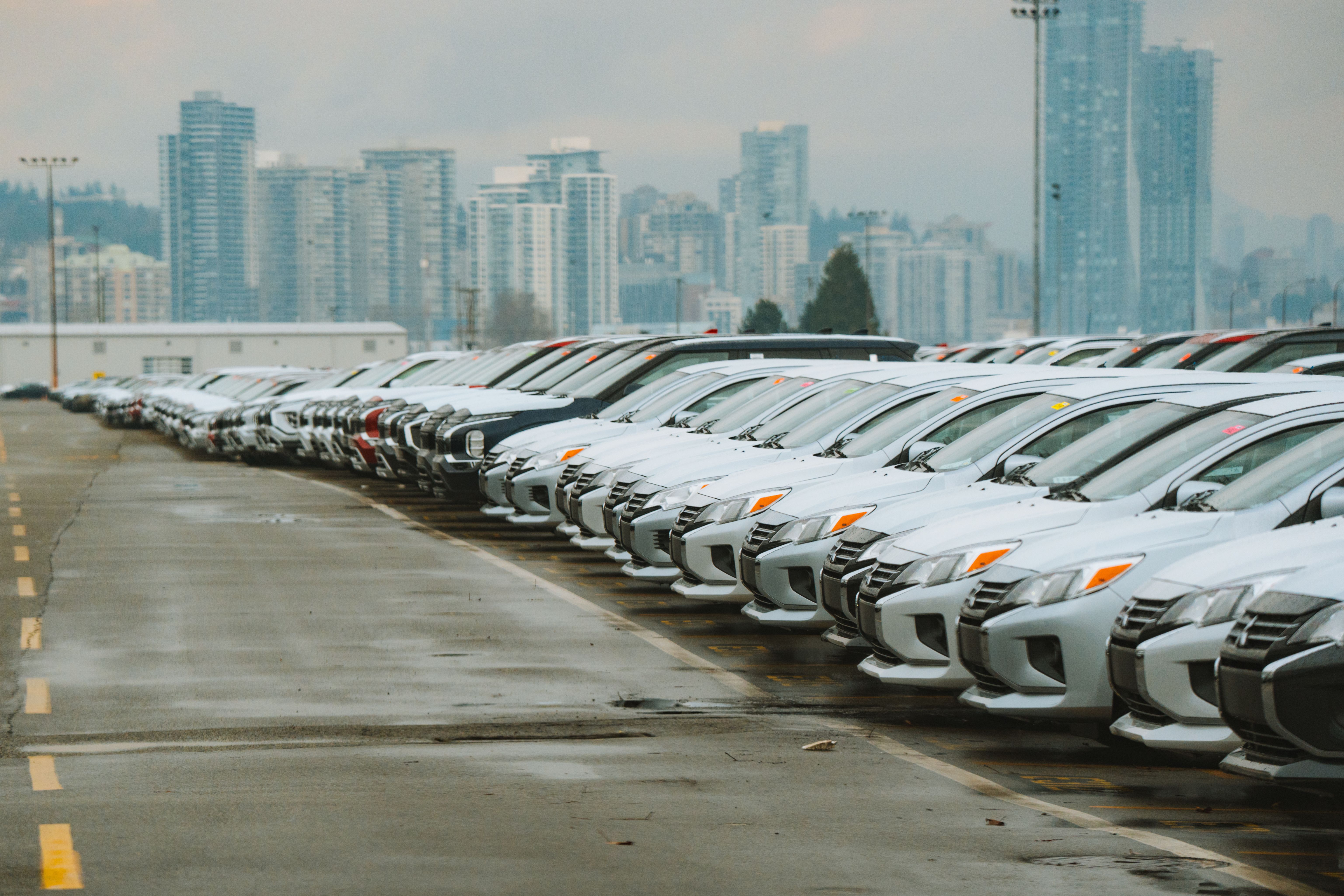
The gloves are off. Just days before Chinese President Xi Jinping is due to meet with Trump, a formidable coalition of six major US auto trade groups just dropped a bombshell, signing a letter demanding the administration block Chinese automakers from entering the American market. This isn't just lobbying; it's a direct challenge, forcing Trump's hand on a critical trade front with global implications.
This isn't some backroom whisper; it's a coordinated, public offensive. The message from the industry is clear: Chinese auto entry isn't about competition; it's about existential threat. They're playing the national security card, framing Chinese auto expansion as a risk to the domestic industry's survival, and by extension, American jobs and innovation. The timing of the letter is no accident, designed to amplify pressure on the White House just as high-stakes trade talks with Beijing loom.
We've seen this movie before, with steel and aluminum tariffs, and the current administration isn't shy about using protectionist measures. The auto industry sees the writing on the wall: China's EV sector is rapidly scaling, backed by state subsidies, and a direct assault on the US market could cripple domestic players still navigating their own EV transition. This isn't just about market share; it's about the future of manufacturing and technology leadership.
GM, F, TSLA, BYDDF) are most vulnerable or poised to benefit from this escalation? Traders will be watching for immediate market reaction.This development slots right into the ongoing saga of US-China economic decoupling and strategic rivalry. The auto sector, a bellwether for industrial strength and technological progress, has become the latest battleground. It reflects a growing consensus in Washington that economic competition with China is a zero-sum game, especially in advanced manufacturing and critical technologies. Expect this to fuel debates around reshoring, supply chain resilience, and the delicate balance between open markets and national security.
It's not just about cars; it's about critical minerals, battery technology, and software ecosystems. Any move here has ripple effects. We saw how quickly the SPX reacted to past trade war rhetoric, underscoring the interconnectedness. For deeper insights into broader market movements, check out discussions like S&P 500 Hits Record Highs: Is AI's Chip Frenzy Just Starting?.
Keep your scanners hot for any headline risk related to US-China trade. This situation is ripe for market overreactions and sector rotation. Auto stocks, particularly those with significant exposure to both US and Chinese markets, will be on a volatile ride. Any official word from the White House, or a leak from Beijing, could trigger rapid price action. Anyone tracking the tick-by-tick reaction can pull live auto and related commodity data straight from RealMarketAPI, which streams price feeds across 50+ instruments. Don't fade the political headlines here; they can move markets faster than any earnings report right now. Expect the unexpected, and manage your risk accordingly.