🎉 Our Chrome Extension is here! Get live market prices right in your browser.Install Now
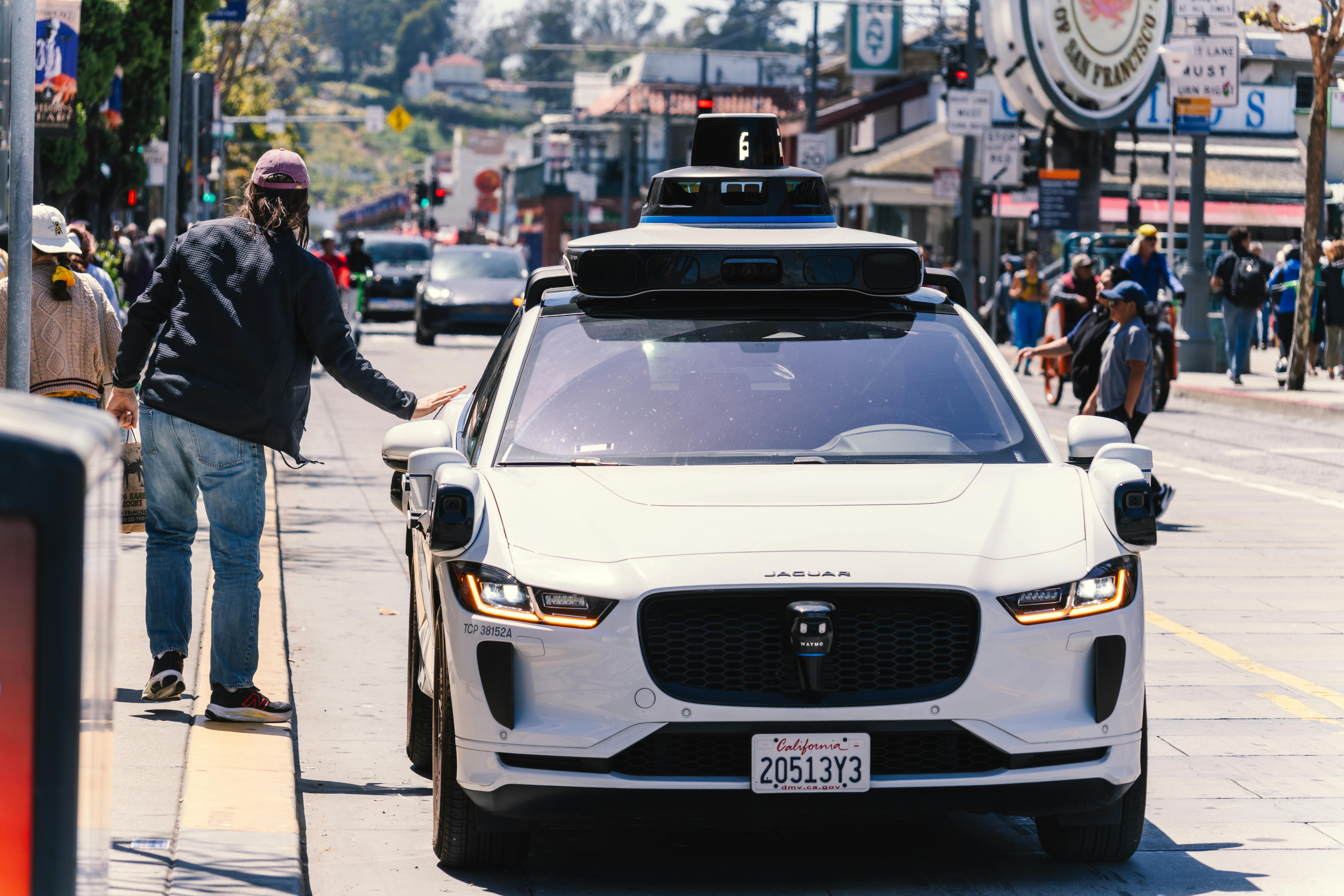
Waymo is rolling out its new Ojai robotaxis to select riders, a strategic move aimed at cutting fleet expansion costs and solidifying its lead.
GOOGL's Waymo Unleashes Ojai Robotaxis: The Cost-Cutting Gambit BeginsWaymo, Alphabet's (GOOGL) autonomous driving unit, just dropped its next-generation Ojai robotaxis into public service for select riders. This isn't just another fleet expansion; it's a calculated bet on lowering the steep costs of scaling self-driving operations, a challenge that's plagued the entire sector. The market's watching closely to see if this move can finally shift the economics of robotaxis.
The Ojai vehicles, powered by Waymo's 6th-generation Driver technology, represent a significant leap not just in capability but in operational efficiency. The goal is explicit: reduce the capital expenditure required to grow the fleet. Autonomous driving has long been a technological marvel struggling to find its footing as a profitable business at scale. By focusing on more cost-effective vehicles and systems, Waymo aims to tackle this head-on.
This deployment to "select riders" is a smart beta test, allowing Waymo to fine-tune operations and gather real-world data on their cost-saving measures before a broader rollout. It’s also a play to extend their U.S. lead in an increasingly competitive, though still nascent, market. Every dollar saved on expansion costs frees up capital for further R&D or faster geographic penetration.
GOOGL provides on actual cost reductions or improved unit economics stemming from Ojai's design and operation.For years, autonomous driving has been a futuristic dream with an ever-receding profitability horizon. This Waymo update signals a critical pivot for the industry: from pure technological prowess to sustainable business models. It’s a move that echoes the broader tech sector's recent shift from growth-at-any-cost to disciplined efficiency, especially given the macroeconomic backdrop. The ability to make self-driving services economically viable could unlock massive opportunities in logistics, ride-hailing, and even personal vehicle ownership down the line. It's not just about Waymo; it’s about validating the entire autonomous vehicle thesis for investors.
Keep GOOGL on your radar, not just for its core ad business or cloud growth with Azure, which we recently covered in Microsoft's Azure Roars at 40% — But CapEx Miss Raises Eyebrows. This Waymo play, while a small part of the Alphabet behemoth, could be a bellwether for the future of a trillion-dollar market. Any positive data points around Ojai’s cost efficiency or broader deployment will likely be seen as a strong bullish signal for Waymo’s long-term viability and, by extension, GOOGL's innovative edge.
Conversely, delays or unexpected operational hiccups could quickly temper enthusiasm. Traders should monitor any official GOOGL earnings calls or investor days for specific mentions of Waymo's progress. For real-time updates on broader market reactions or related sector moves, tracking live price feeds for GOOGL and other auto tech stocks is crucial, which you can get from RealMarketAPI. This isn't just about a few new robotaxis; it’s about a potential re-rating of a significant future growth vector.